


Growing healthy plants begins with healthy soil. Whether you have a home garden, terrace garden, kitchen garden, or a large farm, choosing the right fertilizer plays a vital role in plant growth and productivity. While chemical fertilizers provide quick results, they often reduce soil fertility over time. Organic fertilizers, on the other hand, nourish both the plants and the soil, creating a sustainable ecosystem for long-term growth.
In this guide, we’ll explore the best organic fertilizers for plants in India, their benefits, when to use them, and how to choose the right one for different types of plants.
Why Choose Organic Fertilizers?
Organic fertilizers are made from natural sources such as plant materials, animal by-products, compost, and beneficial microorganisms. Unlike synthetic fertilizers that mainly supply nutrients, organic fertilizers improve soil structure, encourage beneficial microbes, and gradually release nutrients according to the plant’s needs.
Benefits of Organic Fertilizers
- Improve soil fertility naturally
- Increase beneficial microbial activity
- Promote stronger root development
- Enhance flowering and fruit production
- Improve water retention in soil
- Safe for children, pets, and pollinators
- Reduce environmental pollution
- Suitable for organic farming and home gardening
Healthy soil grows healthy plants. Investing in organic fertilizers is an investment in the future of your garden.
Organic Fertilizers vs Chemical Fertilizers
| Feature | Organic Fertilizers | Chemical Fertilizers |
|---|---|---|
| Source | Natural | Synthetic |
| Nutrient Release | Slow and steady | Fast |
| Soil Health | Improves over time | May decline |
| Microbial Activity | Supports beneficial microbes | Can reduce microbial diversity |
| Environmental Impact | Eco-friendly | Higher pollution risk |
| Long-Term Fertility | Excellent | Moderate |
While chemical fertilizers may produce quick growth, organic fertilizers build healthier soil that supports plants season after season.
11 Best Organic Fertilizers for Plants in India
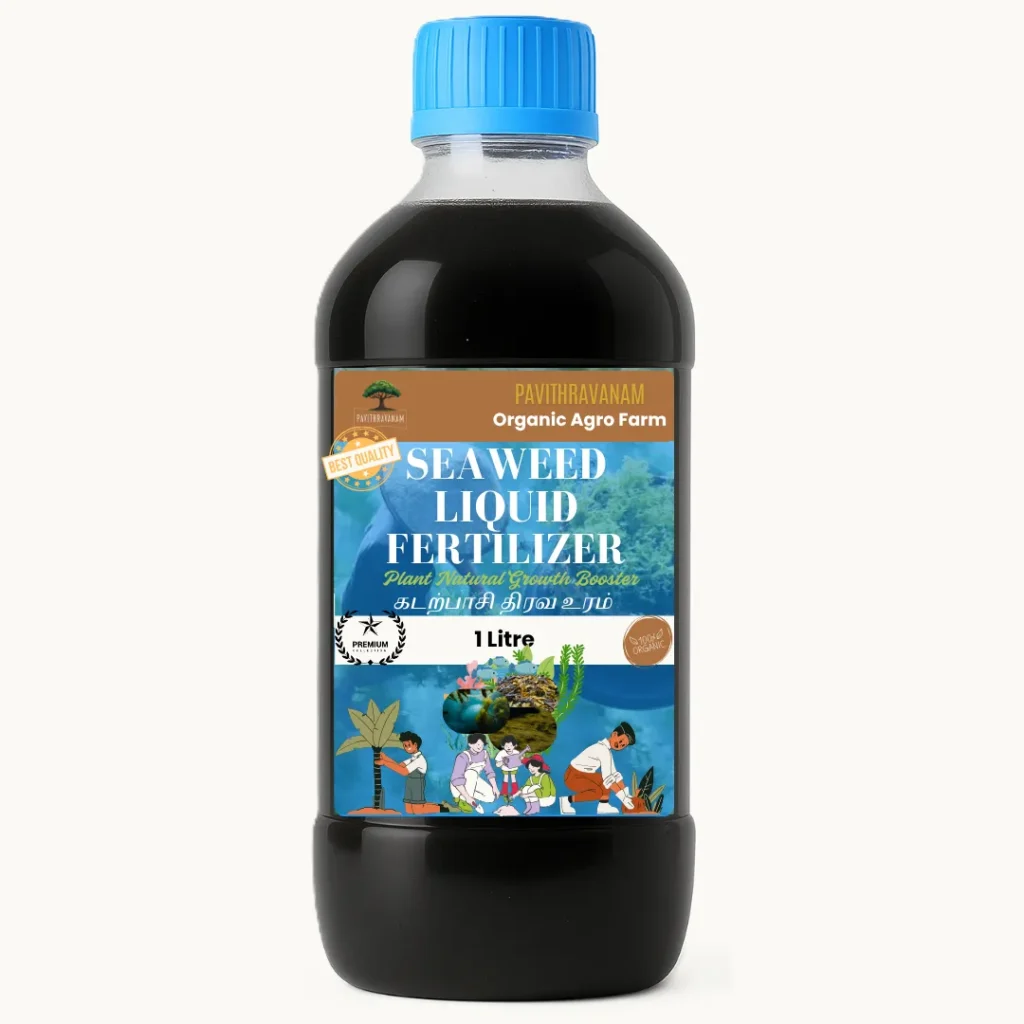
1. Seaweed Liquid Fertilizer
In stock
Seaweed fertilizer is one of the most versatile organic plant supplements available today. Rich in trace minerals, amino acids, and natural plant growth stimulants, it encourages vigorous growth and improves a plant’s ability to withstand environmental stress.
Best for
- Vegetables
- Flowering plants
- Fruit trees
- Indoor plants
- Terrace gardens
Benefits
- Encourages healthy root development
- Improves flowering and fruit setting
- Enhances nutrient absorption
- Reduces transplant shock
- Boosts overall plant vigor
Apply as a foliar spray or soil drench according to the recommended dilution.
2. Panchagavya
Panchagavya is a traditional organic formulation made from cow-based ingredients. It has been used in Indian agriculture for generations to improve plant growth and soil biology.
Benefits
- Promotes flowering
- Increases fruit yield
- Improves beneficial microbial activity
- Enhances plant immunity
- Suitable for vegetables, fruits, flowers, and field crops
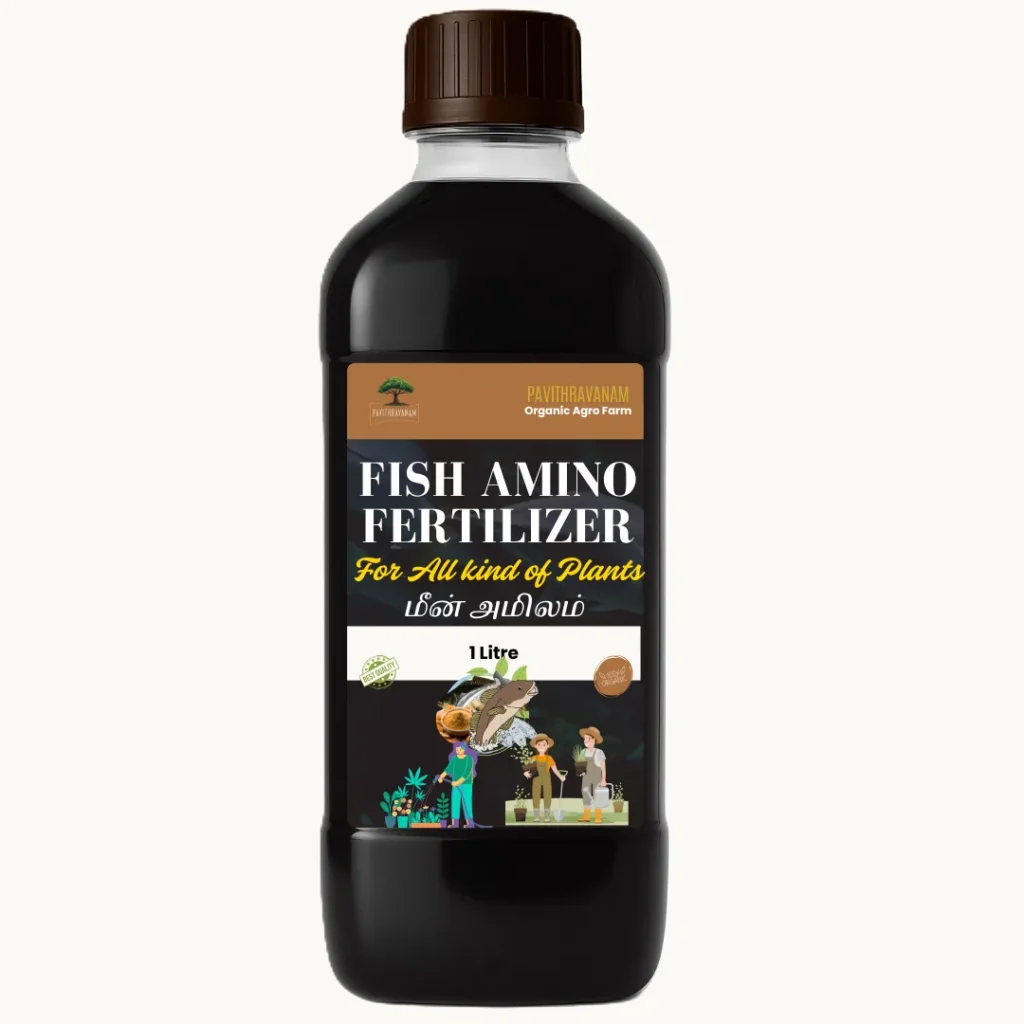
3. Fish Amino Acid
In stock
Fish Amino Acid (FAA) is a nitrogen-rich organic fertilizer prepared through natural fermentation. It is especially effective during the vegetative stage of plant growth.
Best for
- Leafy vegetables
- Tomato
- Chilli
- Brinjal
- Banana
Benefits
- Encourages lush green growth
- Improves leaf size
- Strengthens stems
- Supports vigorous vegetative development
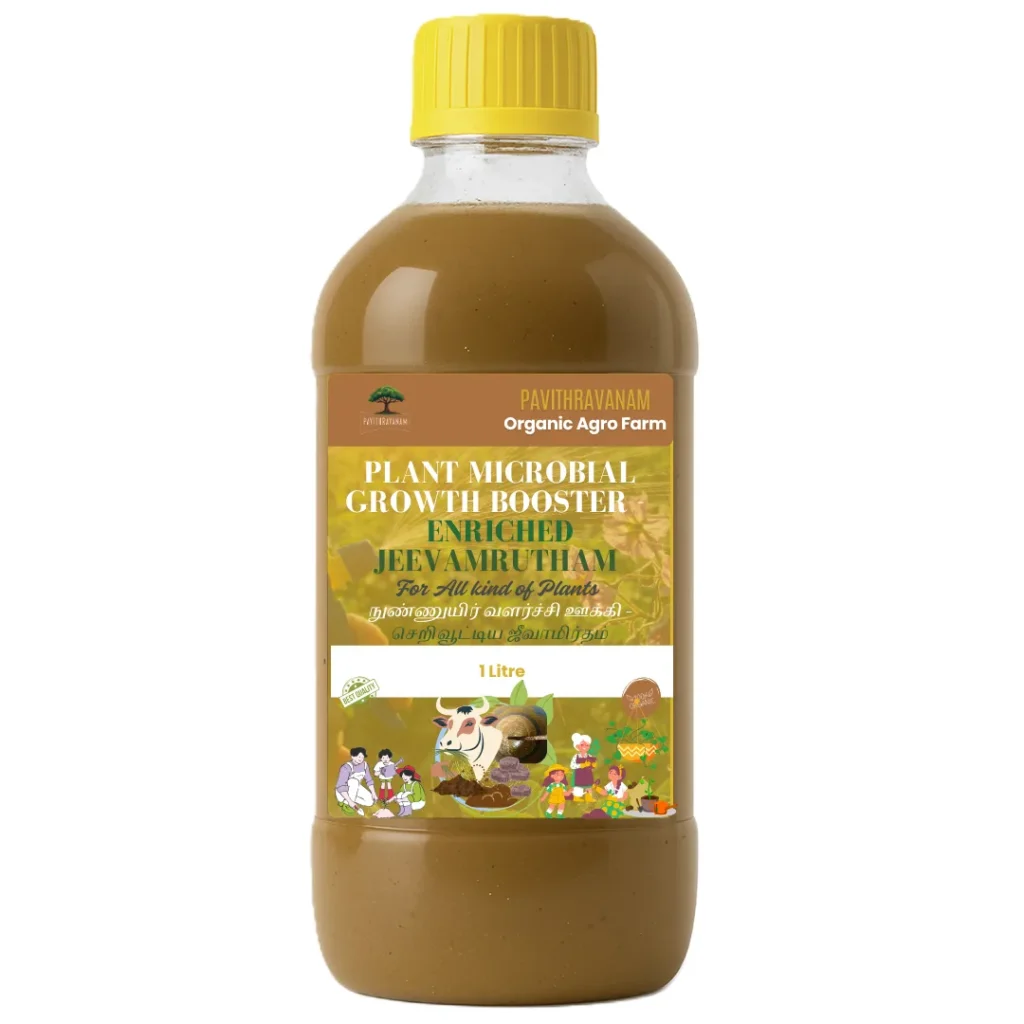
4. Jeevamrutham
In stock
Jeevamrutham is a microbial culture widely used in natural farming. Rather than feeding plants directly, it feeds the soil, allowing beneficial microorganisms to make nutrients more available.
Benefits
- Improves soil biology
- Increases microbial population
- Enhances nutrient availability
- Suitable for all crops
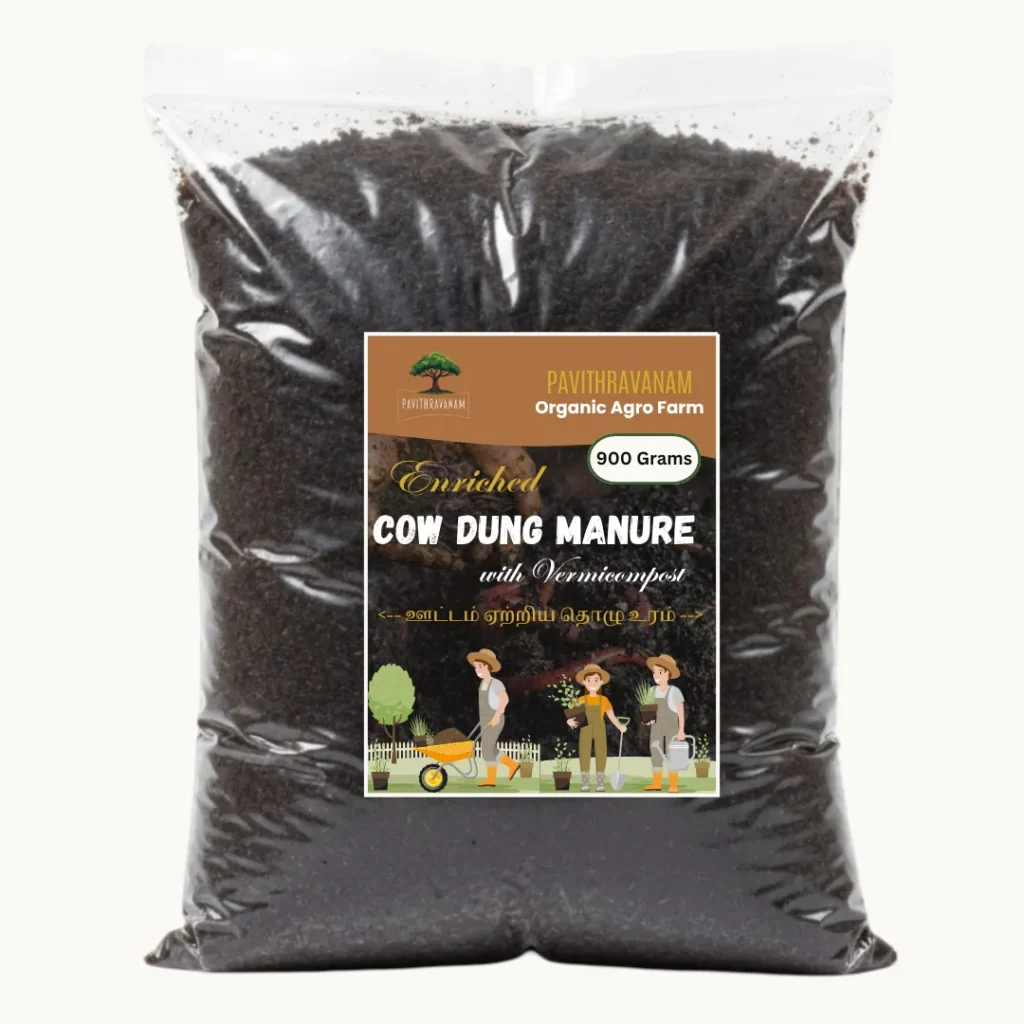
5. Vermicompost
In stock
Produced by earthworms, vermicompost is rich in organic matter and essential nutrients.
Benefits
- Improves soil texture
- Enhances moisture retention
- Supplies balanced nutrients
- Suitable for vegetables, flowers, and ornamental plants
6. Cow Dung Manure
In stock
One of the oldest organic fertilizers, well-decomposed cow dung manure enriches soil with organic matter and beneficial microbes.
Benefits
- Improves soil structure
- Encourages earthworm activity
- Supports long-term fertility
- Suitable for almost every crop
7. Neem Cake
Neem cake is obtained after extracting oil from neem seeds.
Benefits
- Adds nutrients to the soil
- Helps reduce certain soil pests
- Improves microbial activity
- Acts as both fertilizer and soil conditioner
8. Bone Meal
Bone meal is rich in phosphorus, making it an excellent choice for flowering and root development.
Best for
- Roses
- Hibiscus
- Flowering ornamentals
- Fruit trees
9. Mustard Cake
Mustard cake is an excellent organic fertilizer that slowly releases nutrients into the soil.
Benefits
- Promotes healthy flowering
- Supports fruit development
- Improves overall plant growth
10. Banana Peel Compost
Banana peels are naturally rich in potassium and can be composted to create a valuable organic fertilizer.
Benefits
- Supports flowering
- Improves fruit quality
- Ideal for flowering plants
11. Wood Ash
Wood ash contains potassium and calcium when sourced from untreated wood.
Benefits
- Improves soil potassium levels
- Supports flowering
- Helps maintain soil pH in acidic soils
Use in moderation, as excessive application may increase soil alkalinity.
Which Organic Fertilizer is Best for Different Plants?
| Plant | Recommended Organic Fertilizer |
|---|---|
| Tomato | Fish Amino Acid + Seaweed |
| Chilli | Fish Amino Acid + Panchagavya |
| Brinjal | Seaweed + Jeevamrutham |
| Spinach | Fish Amino Acid |
| Rose | Seaweed + Bone Meal |
| Hibiscus | Panchagavya |
| Curry Leaf | Jeevamrutham |
| Banana | Panchagavya |
| Mango | Vermicompost + Cow Dung |
| Coconut | Cow Dung Manure + Seaweed |
Liquid vs Solid Organic Fertilizers
Liquid Organic Fertilizers
Advantages
- Quick nutrient absorption
- Ideal for foliar spraying
- Fast visible results
- Suitable for weekly applications
Examples
- Seaweed Liquid Fertilizer
- Fish Amino Acid
- Panchagavya
- Jeevamrutham
Solid Organic Fertilizers
Advantages
- Slow nutrient release
- Improves soil structure
- Long-lasting effects
- Excellent for monthly application
Examples
- Vermicompost
- Cow Dung Manure
- Neem Cake
- Bone Meal
Using both liquid and solid organic fertilizers together often provides the best results.
Organic Fertilizer Application Schedule
| Plant Stage | Recommended Fertilizer |
|---|---|
| Seedling | Seaweed Liquid Fertilizer |
| Vegetative Growth | Fish Amino Acid |
| Flowering | Panchagavya |
| Fruiting | Seaweed + Jeevamrutham |
| Soil Maintenance | Vermicompost or Cow Dung Manure |
Always follow the recommended dilution rates and avoid applying fertilizers during the hottest part of the day.
Common Mistakes to Avoid
- Applying excessive fertilizer
- Spraying during midday heat
- Applying to dry soil without watering
- Ignoring dilution instructions
- Using undecomposed organic matter
- Expecting instant results from organic fertilizers
Organic fertilizers work gradually and consistently. Patience is rewarded with healthier plants and richer soil.
Frequently Asked Questions
Which organic fertilizer is best for all plants?
Seaweed Liquid Fertilizer is one of the most versatile options because it supports overall plant health, root development, flowering, and stress tolerance.
How often should I apply organic fertilizer?
Liquid fertilizers are commonly applied every 7–15 days, while solid fertilizers are usually applied once every 30–45 days, depending on the crop and soil condition.
Are organic fertilizers safe for vegetables?
Yes. When used correctly, organic fertilizers are safe for vegetables, fruits, herbs, and edible crops.
Can I use multiple organic fertilizers together?
Yes. Many gardeners combine solid fertilizers to improve soil health and liquid fertilizers for regular plant nutrition. However, always follow recommended application guidelines.
Do organic fertilizers work slower than chemical fertilizers?
Organic fertilizers release nutrients gradually. While the results may take longer to appear, they contribute to healthier soil and sustainable plant growth over time.
Conclusion
Organic fertilizers are an excellent choice for gardeners and farmers who want healthier plants, fertile soil, and sustainable cultivation practices. Whether you grow vegetables on your terrace, flowers in your home garden, or crops on a farm, choosing natural fertilizers can improve plant growth while protecting the environment.
Products such as Seaweed Liquid Fertilizer, Fish Amino Acid, Panchagavya, Jeevamrutham, Vermicompost, and Neem Cake each offer unique benefits. Selecting the right fertilizer based on your plant’s growth stage and nutritional needs will help you achieve stronger roots, greener leaves, better flowering, and higher yields.
At Pavithravanam, we are committed to promoting sustainable and eco-friendly agriculture by offering high-quality organic farming solutions. Explore our range of organic fertilizers and give your plants the natural nutrition they deserve.
